Understanding Spa Architecture and Its Implications for Hotels
The principles of spa architecture and facility management hold valuable lessons for hotel operators looking to enhance guest experiences. Spas focus on creating a tranquil environment through careful design and efficient use of space. This attention to detail can be mirrored in hotels to provide a seamless and calming stay for guests.
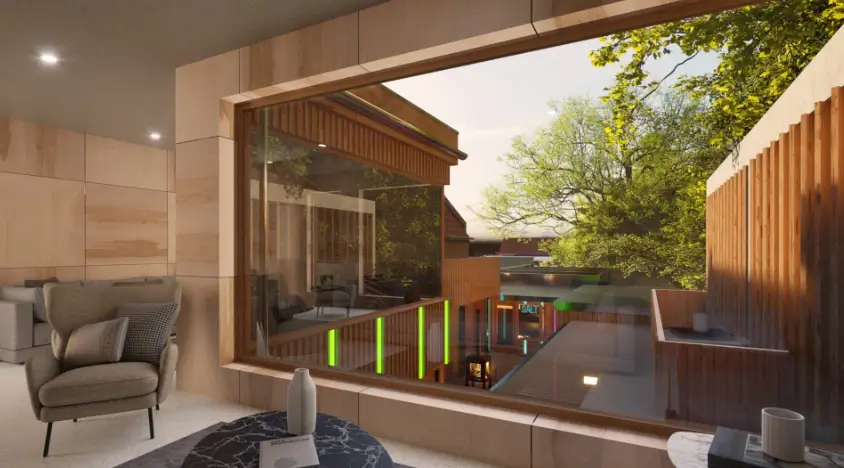
Hotels can draw inspiration from the calming and soothing aesthetics often found in spa designs. Elements such as ambient lighting, natural materials, and calming color palettes enhance the guest experience by creating a relaxing atmosphere. Beyond aesthetics, the strategic layout found in spas ensures a smooth flow of guests through different facilities, which is something hotels can replicate to improve guest movement and comfort.
Integrating technology into space management is another area where hotels can learn from spas. Spa facilities often use state-of-the-art systems to maintain optimal environment conditions, such as humidity and temperature. By adopting similar technologies, hotels can ensure that guests always enjoy a comfortable atmosphere, enhancing their overall experience.
Optimizing Guest Experience Through Efficient Space Utilization
Efficient space utilization is critical in spa facility management, making it an insightful reference for hotel operators. Spas often maximize smaller spaces to provide comprehensive services without sacrificing comfort. This can inform hoteliers on how to better utilize their square footage to improve operational efficiency and guest satisfaction.
Incorporating multifunctional spaces is a strategy spas use that could benefit hotels immensely. For instance, a treatment room in a spa can double as a relaxation lounge with minimal adjustments. Similarly, hotels can design rooms that serve multiple purposes, thereby providing greater value to guests and increasing the usability of space.
Effective space utilization also extends to back-end operations. Spas often streamline their staff and service workflows to ensure minimal disruption during guest treatments. Hotels can adopt similar practices to ensure staff efficiency and guest comfort, leading to reduced wait times and enhanced service delivery.
The Importance of Environmental Control Systems
Environmental control systems are a cornerstone of spa facility success and offer valuable insights for hotels. These systems regulate temperature, humidity, and air quality to create a consistent and pleasant environment. Hotels can implement similar systems to provide a consistently comfortable atmosphere, which is critical for guest satisfaction.
Maintaining an ideal interior environment requires a precise balance that prevents discomfort while promoting relaxation and well-being. Spa facilities meticulously monitor their environmental systems, ensuring they operate optimally at all times. By implementing rigorous monitoring and maintenance routines in their HVAC systems, hotels can ensure they are meeting their guests’ expectations for comfort.
Energy efficiency is another aspect of environmental control where hotels can learn from spas. Spas often use smart systems to reduce energy consumption without compromising the guest experience. Hotels adopting these technologies can reduce operational costs while maintaining a high standard of guest comfort and environmental responsibility.
Leveraging Wellness Trends to Boost Revenue and Branding
Wellness trends have long been central to spa operations, offering a wealth of opportunities for hotels to explore. By integrating wellness offerings, such as yoga sessions or wellness-focused dining options, hotels can attract health-conscious guests and create a unique brand image.
Spas often offer customizable experiences that allow guests to tailor their visits to their specific needs. Hotels can implement similar personalization tactics, offering packages that include wellness activities, spa treatments, and healthy meals. This customization can significantly enhance guest satisfaction and loyalty.
Aligning with wellness trends can also differentiate a hotel from its competition. Establishing a reputation as a wellness destination can attract new market segments and create additional revenue streams. By offering wellness-centric amenities, hotels can not only enhance their brand image but also add significant value to the guest experience.
Staff Training and Excellence in Service Delivery
The attentive and personalized service found in spas is something hotel operators should aim to replicate. Spa staff are extensively trained to provide exceptional hospitality and detailed attention to each guest’s needs. Hotels can enhance service delivery by adopting similar training programs that focus on guest interaction and personalization.
Understanding guest psychology is another area where hotel staff can learn from spa professionals. Staff in spas are often trained to recognize and respond to non-verbal cues, creating a more intuitive service experience. By equipping hotel staff with similar skills, operators can enhance client interaction and satisfaction.
Excellence in service delivery also relies on empowering staff to make decisions that improve guest experiences. Spa employees are typically encouraged to customize services and go above and beyond for guests. Empowering hotel staff similarly can lead to more meaningful guest interactions and a higher standard of customer service.
Designing Seamless Guest Journeys
Creating seamless guest journeys is a fundamental aspect of spa facility management that can enhance hotel operations. Spas often design guest pathways to flow naturally from one space to another, minimizing disruptions and promoting relaxation. Hotels can adopt this approach to improve guest navigation and interaction within their premises.
The use of signage and wayfinding strategies in spas is crucial to guiding guests through facilities smoothly. Hotels can implement similar systems to ensure guests can easily find their way around, thus improving comfort and reducing frustration. Effective wayfinding can improve guest perceptions and the overall guest experience.
Attention to detail in designing guest journeys is paramount. Spas often use subtle cues, such as lighting changes, to influence mood and transition guests through different spaces. Hotels can employ similar techniques to guide guests subtly, ensuring they experience a seamless and intuitive journey from check-in to checkout.
See also: IGF-1 LR3 in 2026: The Legal Maze, and What Actually Matters If You’re Using It Anyway
Incorporating Feedback for Continuous Improvement
Feedback is vital in spa operations and serves as an essential tool for continuous improvement that hotels should emulate. Spas often solicit guest reviews and comments to refine their services actively. Hotels can adopt this practice by encouraging guests to provide feedback and using this data to enhance service offerings.
Regularly updating services and facilities based on guest feedback leads to higher satisfaction rates. Hotels can benefit significantly by implementing regular review processes, ensuring that they are consistently meeting or exceeding guest expectations. Engaging with feedback demonstrates a commitment to guest satisfaction and continuous improvement.
Feedback mechanisms also serve as excellent tools for understanding emerging trends and guest preferences. By analyzing feedback, hotels can anticipate shifts in guest expectations and stay ahead of market demands. This proactive approach ensures that a hotel remains competitive and continues to attract a diverse clientele.
Frequently Asked Questions
How can hotels implement spa design principles?
Hotels can implement spa design principles by incorporating calming aesthetics and efficient space utilization. This includes using natural materials, ambient lighting, and ensuring a smooth flow of guests through spaces, all of which enhance relaxation and comfort.
What are the benefits of incorporating wellness trends in hotels?
Incorporating wellness trends can attract health-conscious guests, boost a hotel’s brand image, and create new revenue streams. Offering wellness-centric amenities can differentiate a hotel from competitors and add significant value to the guest experience.
How important is staff training in enhancing hotel service delivery?
Staff training is crucial as it equips employees with the skills needed for excellent service delivery. Training focused on guest interaction and personalization can lead to higher guest satisfaction and loyalty, mirroring the attention to detail found in spas.
What role do environmental control systems play in guest satisfaction?
Environmental control systems ensure a consistent and comfortable atmosphere, which is fundamental for guest satisfaction. By regulating temperature, humidity, and air quality, hotels can maintain a pleasant environment that meets or exceeds guest expectations.
How can hotels use feedback to improve their services?
Hotels can use feedback to identify areas for improvement and spot emerging trends. Regularly updating services and facilities based on guest comments ensures a commitment to satisfaction and continuous enhancement of the guest experience.
Conclusion
Hotel operators can gain extensive insights by studying spa facility management, particularly in creating calming environments and optimizing space. By adopting strategies such as effective environmental controls and leveraging wellness trends, hotels can significantly enhance guest experiences and operational efficiency. The parallels between spas and hotels highlight opportunities for innovation in both aesthetics and functionality.
Continuous improvement through feedback and staff training further underscores the benefits of adopting spa-like management practices. Ultimately, hotels that embrace these principles will likely see improvements in guest satisfaction and competitive positioning, creating a unique and appealing brand that resonates with modern travelers.