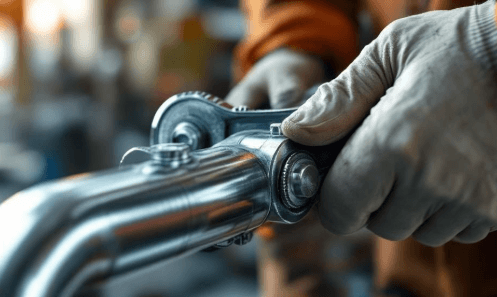
When it comes to industrial storage systems, especially in regions like California, choosing the right tank fittings is not just a matter of performance—it’s a matter of safety, compliance, and long-term durability. From seismic risks to corrosion challenges, storage tanks face multiple environmental pressures that demand high-quality components. Reliable suppliers like rhinofittings.com provide specialized solutions designed to handle these exact challenges, making them a valuable resource for industries working with liquid storage systems.
In this comprehensive guide, you’ll learn how to choose durable tank fittings, understand their role in safety, and ensure your installation meets California’s strict environmental and seismic standards.
Understanding Tank Fittings and Their Importance
Tank fittings are essential components used in storage tanks to control flow, maintain pressure, and ensure safe operation. These include valves, connectors, manways, nozzles, and seismic restraint systems.
Why Tank Fittings Matter
- Safety assurance: Prevent leaks, spills, and structural failures
- Operational efficiency: Ensure smooth flow and pressure control
- Regulatory compliance: Meet California safety and environmental laws
- Longevity: Reduce maintenance and replacement costs
Poor-quality fittings can lead to serious issues, including contamination, environmental hazards, and costly downtime.
Key Factors to Consider When Choosing Tank Fittings
Selecting the right tank fittings requires a strategic approach. Here are the most critical factors:
1. Material Quality
Material is the foundation of durability. Stainless steel is widely preferred due to its resistance to corrosion, strength, and longevity.
Benefits of Stainless Steel:
- مقاومة عالية للتآكل (high corrosion resistance)
- Suitable for harsh chemicals
- Long service life
- Low maintenance requirements
In coastal regions of California, where salt air accelerates corrosion, stainless steel fittings are especially important.
2. Corrosion Resistance
Corrosion is one of the biggest threats to tank systems. Over time, it can weaken structures and cause leaks.
Types of Corrosion to Watch:
- Chemical corrosion: From stored liquids
- Environmental corrosion: From humidity and salt air
- Galvanic corrosion: From dissimilar metals
Choosing fittings with protective coatings or corrosion-resistant alloys can significantly extend system life.
3. Seismic Safety Considerations
California is prone to earthquakes, making seismic safety a top priority for storage tanks.
Why Seismic Restraints Are Critical:
- Prevent tank movement during earthquakes
- Reduce risk of spills and structural damage
- Ensure compliance with California building codes
Seismic restraint systems are designed to stabilize tanks and absorb shock during seismic activity.
Types of Tank Fittings You Should Know
Understanding different types of fittings helps in making informed decisions.
1. Valves
Used to control the flow of liquids and gases.
2. Nozzles
Allow safe entry and exit points for fluids.
3. Manways
Provide access for inspection and maintenance.
4. Couplings and Connectors
Ensure secure connections between pipes and tanks.
5. Seismic Restraint Systems
Anchor tanks and prevent movement during earthquakes.
Each component plays a unique role in maintaining system integrity.
Installation Tips for Maximum Safety
Even the best fittings won’t perform well if installed incorrectly.
1. Follow Manufacturer Guidelines
Always adhere to installation specifications to avoid performance issues.
2. Use Proper Tools
Incorrect tools can damage fittings and compromise safety.
3. Ensure Tight Seals
Loose connections can lead to leaks and pressure loss.
4. Conduct Pressure Testing
Test the system after installation to identify potential issues.
5. Hire Professionals When Needed
Complex installations should be handled by experienced technicians.
Maintenance Best Practices
Regular maintenance ensures long-term reliability and safety.
Routine Inspections
Check for signs of wear, corrosion, or leaks.
Cleaning
Remove buildup that can affect performance.
Replacement of Worn Parts
Don’t delay replacing damaged components.
Record Keeping
Maintain logs of inspections and maintenance activities.
See also: Advantages of Blockchain Technology
Compliance with California Regulations
California has some of the strictest regulations for industrial storage systems.
Key Compliance Areas:
- Environmental protection standards
- Seismic safety requirements
- Material and construction guidelines
Failure to comply can result in fines, legal issues, and operational shutdowns.
Benefits of High-Quality Tank Fittings
Investing in premium fittings offers long-term advantages:
Increased Safety
Minimizes risk of accidents and environmental damage.
Cost Savings
Reduces maintenance and replacement expenses.
Improved Efficiency
Ensures smooth and reliable operations.
Regulatory Confidence
Helps meet all required standards with ease.
Common Mistakes to Avoid
Avoid these pitfalls when selecting and installing tank fittings:
- Choosing low-cost, low-quality materials
- Ignoring environmental conditions
- Skipping seismic safety considerations
- Improper installation
- Neglecting regular maintenance
These mistakes can lead to serious operational and safety issues.
Future Trends in Tank Fitting Technology
The industry continues to evolve with new innovations.
Smart Monitoring Systems
Sensors that detect leaks and pressure changes in real time.
Advanced Materials
Improved alloys with higher corrosion resistance.
Modular Designs
Easier installation and maintenance.
Eco-Friendly Solutions
Sustainable materials and designs that reduce environmental impact.
Final Thoughts
Choosing durable tank fittings is essential for ensuring safety, efficiency, and compliance—especially in a high-risk region like California. From corrosion resistance to seismic protection, every factor plays a critical role in the performance of your storage system.
Whether you’re upgrading an existing setup or planning a new installation, working with trusted suppliers like Rhino Tank Fittings can make a significant difference. For more details on high-quality stainless steel fittings and seismic solutions, visit and explore reliable options tailored to industrial needs.